
MagnetTips
Magnets
Discover the fascinating world of magnets: how they work, what they are made of and where they are used.
23 articles · 89 glossary terms
Explore
Topics
 Types of Magnets
From bar magnets to neodymium super magnets: an overview of the most important types of magnets and their uses.
02
Types of Magnets
From bar magnets to neodymium super magnets: an overview of the most important types of magnets and their uses.
02
 Uses of Magnets
Magnets are used far beyond speakers and fridges: learn about their role in data storage, deflection magnets and relays.
03
Uses of Magnets
Magnets are used far beyond speakers and fridges: learn about their role in data storage, deflection magnets and relays.
03
 Magnetism: What Is It?
What is magnetism, how does it arise physically and what can you do with it? We take a closer look at this fascinating phenomenon.
04
Magnetism: What Is It?
What is magnetism, how does it arise physically and what can you do with it? We take a closer look at this fascinating phenomenon.
04
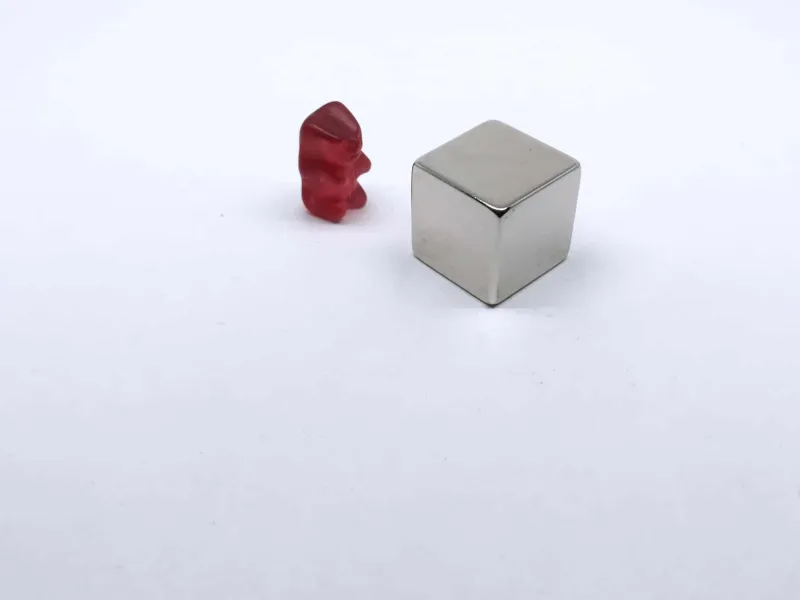 Magnet Pictures
A photo gallery of cube magnets, rod magnets and disc magnets with nickel-plated and gold-plated finishes.
05
Magnet Pictures
A photo gallery of cube magnets, rod magnets and disc magnets with nickel-plated and gold-plated finishes.
05
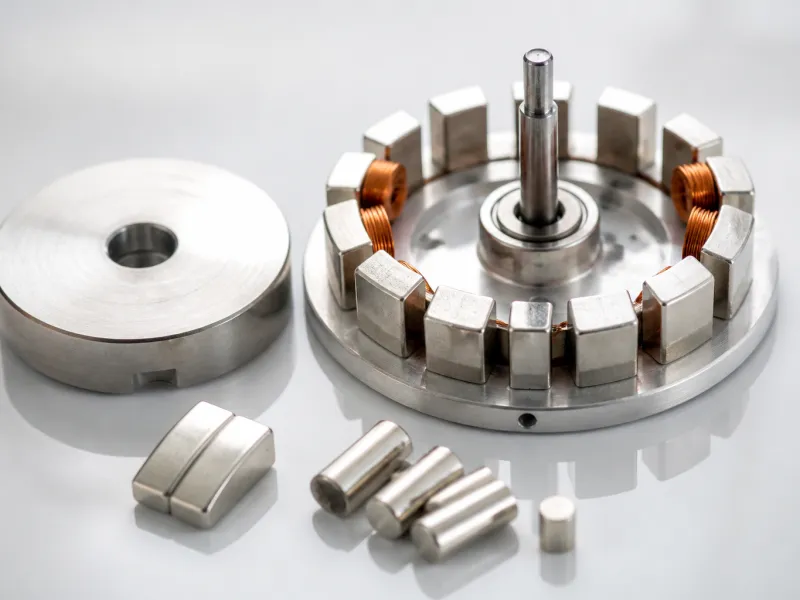 Magnet Motor
The magnet motor is said to produce electricity instead of consuming it. We look at how it is built and how it is claimed to work.
06
Magnet Motor
The magnet motor is said to produce electricity instead of consuming it. We look at how it is built and how it is claimed to work.
06
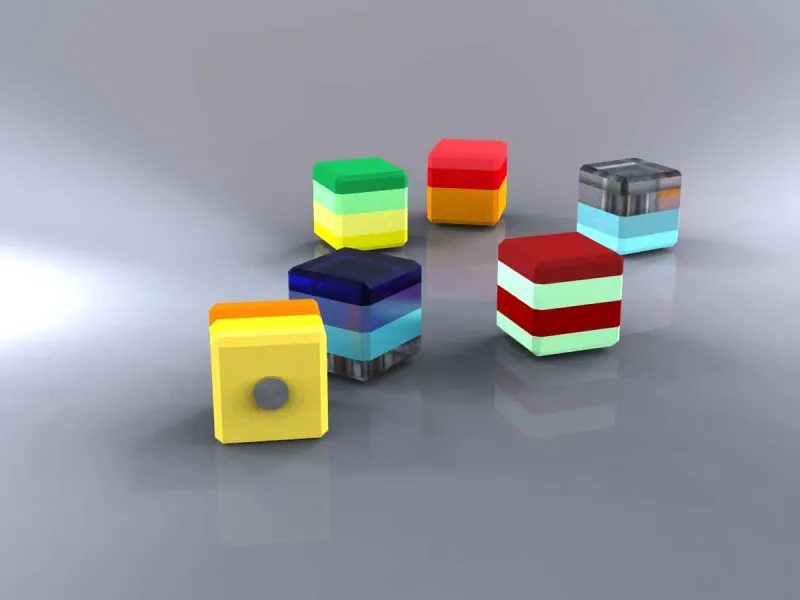 Magnets for the Office and School
The best ideas for using magnets in the office and at school, from magnetic boards to school magnet sets.
07
Magnets for the Office and School
The best ideas for using magnets in the office and at school, from magnetic boards to school magnet sets.
07
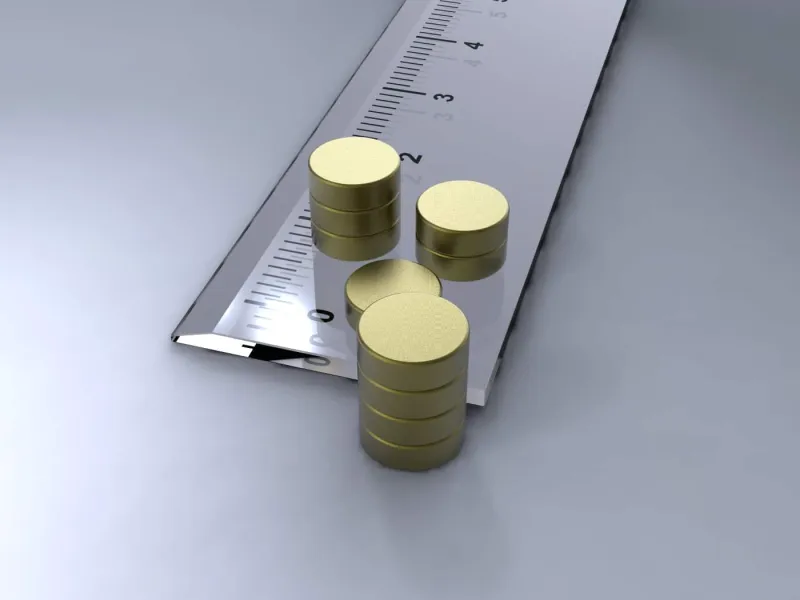 Magnets for the Home
From fridge magnets and decorative magnets to magnetic knife strips and cabinet catches: how magnets make everyday life at home easier.
08
Magnets for the Home
From fridge magnets and decorative magnets to magnetic knife strips and cabinet catches: how magnets make everyday life at home easier.
08
 Magnets in the Workshop
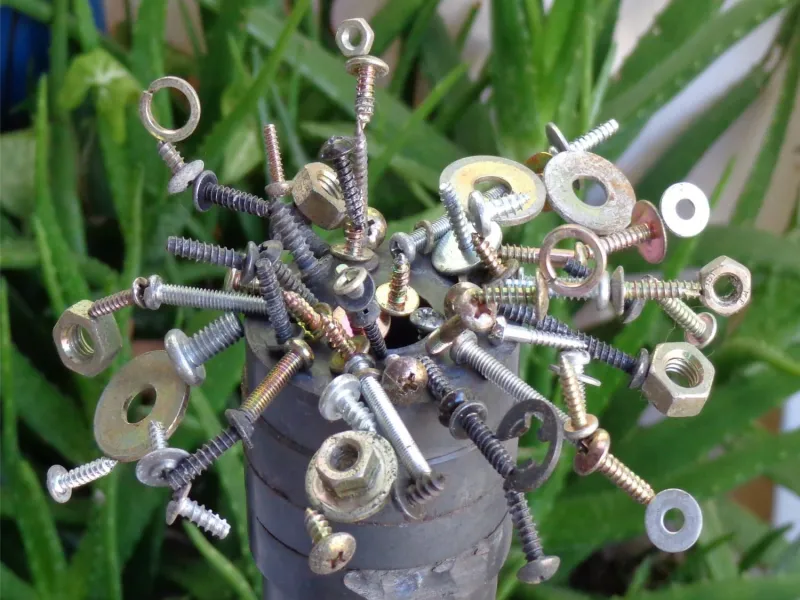
Magnets are handy helpers in the workshop. Here are practical examples, from retrieving lost screws to keeping tools organized.
Magnets in the Workshop
Magnets are handy helpers in the workshop. Here are practical examples, from retrieving lost screws to keeping tools organized.
Magnet Glossary
From A to Z: 89 terms explained
All About Magnets
It seems to come out of nowhere, yet anyone can observe it easily: the power of magnets. Do you remember playing with two magnets as a child, completely fascinated, bringing them together again and again and falling under the spell of that strange, invisible attraction?
In the past, magnets and the force behind them, magnetism, were often regarded as something secret and mystical. No wonder, since this mysterious force can be neither seen, heard nor felt. Yet magnetic force is there, always and in many different places on our planet.
So let's put an end to guesswork and half-truths and take a close look at how magnets work and everything you can do with them.
How Do Magnets Work?
The basic principle: The power of magnets is really nothing new. Magnetism was already being used thousands of years ago, at first unknowingly and later deliberately for very specific purposes. Over time, countless experiments were carried out with magnets and magnetism in general until it could be explained scientifically. The first contact with the magnet
Magnetism
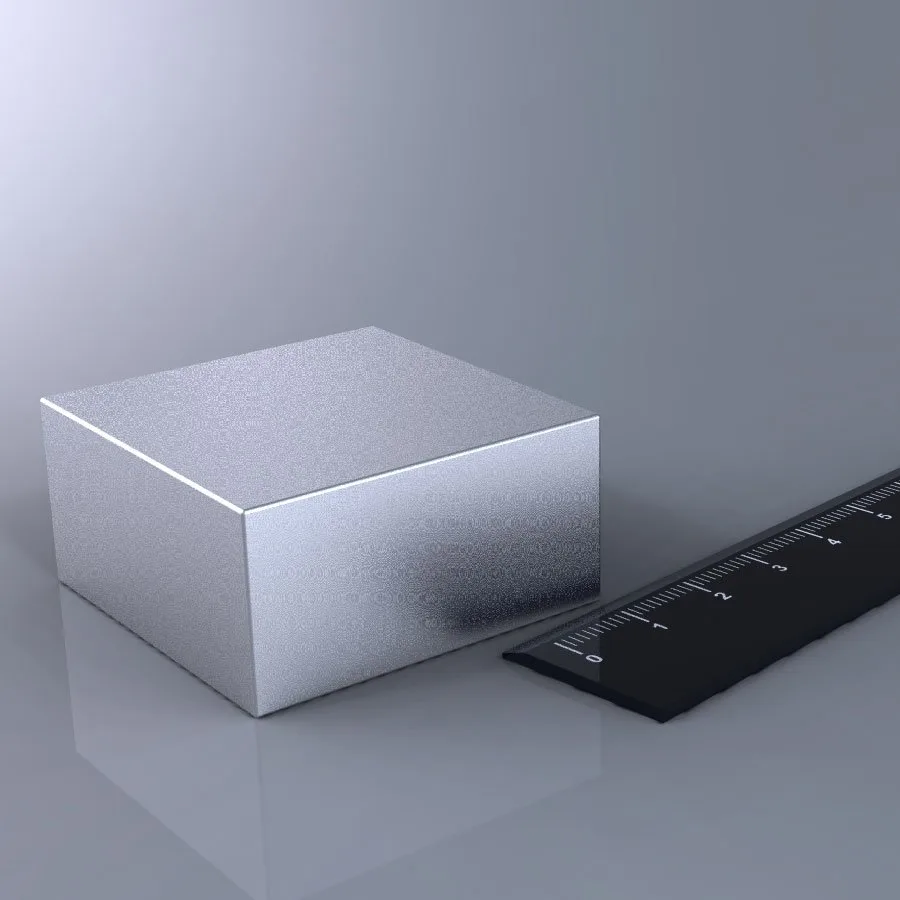
For a first approach to magnetism, let's pick up an ordinary bar magnet. This classic magnet has a so-called pole at each end. Just like our Earth, we speak of a south pole and a north pole. The basic rule is: like poles repel, unlike poles attract. So if we take two magnets and bring them together, north and north as well as south and south will repel each other, while north and south poles attract each other magnetically, no matter on which side.
Everything Is Determined by Magnetic Fields
The force of a magnet, or the magnetism behind it, does not act at just one point but within a field, which is logically called a magnetic field. In addition to the magnetic force, the associated magnetic field can also be detected or made visible. We can do this, for example, by placing a larger number of compasses in a cardboard box and laying a bar magnet on top. Now we can watch the needle of each compass align itself along the (imaginary) magnetic field lines.
The Magnetic Poles
Speaking of north and south poles: magnetism has been part of human life since the dawn of time. The Earth also has a north pole and a south pole, and the entire planet is surrounded by a magnetic field. You don't believe it? The clear proof of this theory is an ordinary compass. It contains a small, very freely moving metal needle that aligns itself with the Earth's magnetic field and therefore always points north.
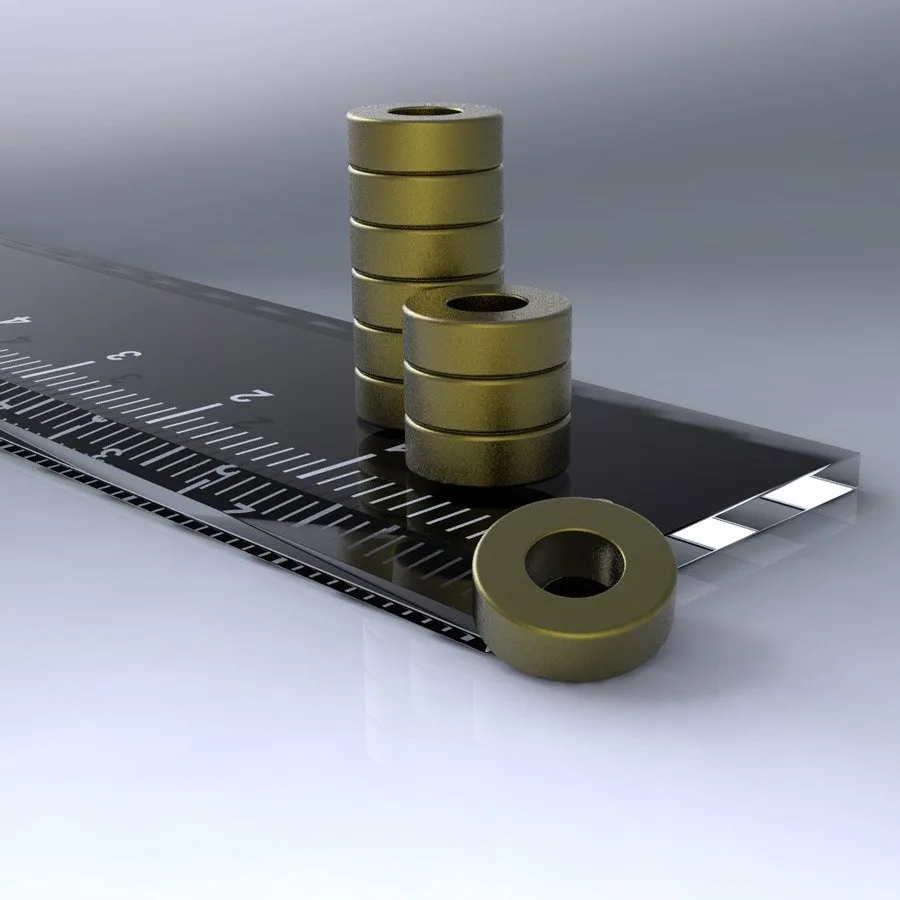
Magnetic Field Lines
Magnetic field lines are therefore not visible; they merely help us understand the magnetic field. In principle, there are infinitely many of these lines, and each one forms a closed loop, meaning it has no beginning and no end. Taken together, all the field lines make up the entire magnetic field.
What Are Magnets Made Of?
The best known type is so-called ferromagnetism. This term describes the magnetic properties of a group of substances with special material-specific characteristics. In this context we also speak of Weiss domains, special groupings of atoms that give a substance a permanent magnetic function. The atoms are aligned in a certain order, which results in the magnetic function.
The best known material with ferromagnetic properties is iron. So it's no surprise that most magnetic materials we know are made from it. However, pure iron is relatively poorly suited for magnetization. Permanent magnets are therefore usually made from iron materials alloyed with carbon, which is known as steel.
What Are Magnets Used For?
Their use for demonstration purposes in schools and the like is just a small glimpse of the wide variety of ways magnets can be used in everyday life, industry, research and more. In concrete terms: magnets are used today in countless machines, components, vehicles, tools and so on, usually without us even noticing.
Magnets can be found, for example, in cars, in every wristwatch, in speakers, telephones, refrigerators and more. Take speakers: without a magnet, a speaker simply would not work. Here we use magnetic fields to generate and transmit sound.
What Types of Magnets Are There?
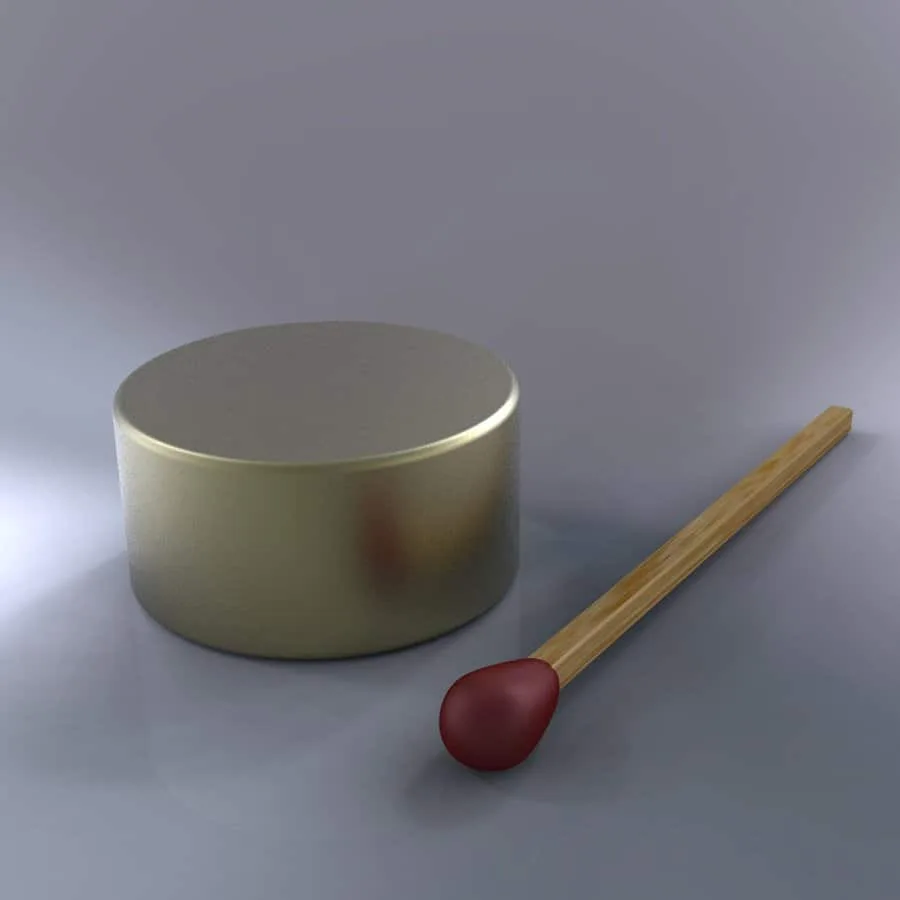
In general, a distinction is made between different types of magnets. For example, there are conductors, which can only generate magnetic fields when an electric current flows through them. On the other hand, there are so-called permanent magnets. These always have a magnetic effect, regardless of whether current flows through them. A subtype of permanent magnets are materials that exhibit weak magnetism. They can be magnetized, but only remain in this state for a limited time, so at some point they lose their magnetic function again.
Industry
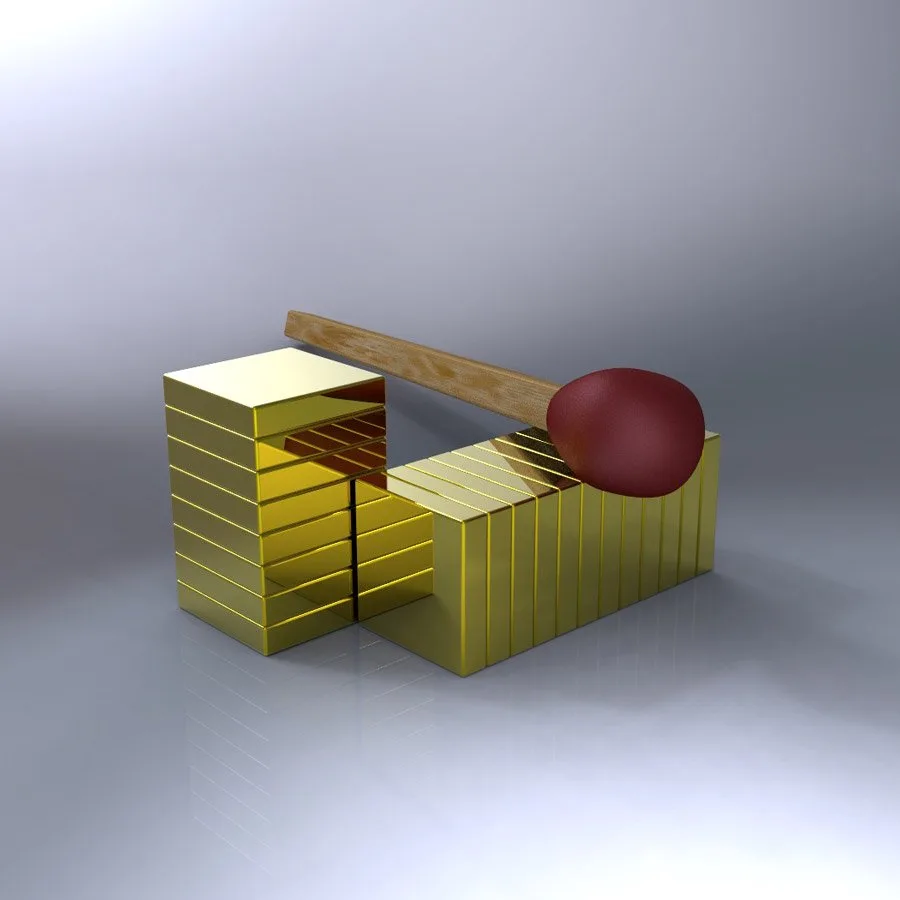
In industry, magnets are used today in countless places. While very small and comparatively weak magnets are used in watches to keep the movement running precisely, the new super magnets made of neodymium or similar materials are used for a wide range of industrial and commercial applications. Electromagnets are also needed for many different purposes in industry. A good example is sorting waste in scrap metal recycling. Scrapyards and recycling centers use huge electromagnets attached to cranes for this. Mixed materials such as plastic, wood and metal can be separated easily by simply moving the extremely strong electromagnet over them once it has been energized. The magnetic force then attracts all metal parts, which stick to the magnet. They can now be carried away and stored anywhere. To remove the metal parts stuck to the magnet, the current is simply switched off, which also switches off the magnetic effect. The metal parts then simply fall off.

Permanent Magnets
Permanent magnets and electromagnets also play a particularly important role in electrical engineering and in measurement and control technology. Sensor technology in particular can no longer do without magnets today. Think, for example, of modern alarm systems equipped with magnetic switches. Such a design is very simple and yet effective. If the magnetic switch is interrupted, current no longer flows in an indicator circuit and the alarm can be triggered.
Let's stay with permanent magnets a little longer. How can such a magnet exert its force permanently without any current flowing through it? The answer: the internal structure of a permanent magnet contains a large number of tiny so-called elementary magnets, each formed by a group of atoms. The nucleus of each atom is orbited by at least one electron.
Why Do Magnets Have Certain Colors?
Not only on magnets for schools and teaching, but also on tool magnets and industrial magnets, we often find color-marked areas. Many bar magnets, for example, have one red side and one blue or green side. The secret behind this is quite simple: the different colors mark the poles. This makes handling easier and shows at a glance which pole we are dealing with. On permanent magnets, the positive pole is always colored red, while the negative pole is marked in blue.
Magnets are used in industry in a wide variety of forms and applications, but we also use them more and more in everyday life, even if only to pin a note to a metal board or the fridge. Magnets hold a special fascination for many people because they carry a seemingly invisible force and can be used in so many ways. On this website you will learn everything about the different kinds of magnets and the magnetism behind them. Follow us into this fascinating world.

New Materials
Magnets are becoming ever stronger and more precise thanks to new materials such as neodymium or samarium, which means the range of applications for magnets in both industry and everyday life keeps growing. Today, even tiny super magnets with extreme forces are available on the market. They are the subject of a great deal of experimentation, and some are already used in finished products. One example is automotive engineering. Since our cars have been getting heavier for years due to their growing size and increasingly complex technology, the industry is looking for alternative manufacturing methods that primarily save weight. Using magnets is a suitable option here. For example, heavy fasteners with welds or numerous screws can be replaced by small, lightweight magnets that offer similar or even better strength.

Manufacturing
In recent years and decades, however, progress has been made in magnet manufacturing, which is why conventional steel magnets are now being replaced in many areas by true high-tech materials with even better properties. These include, for example, sintered materials made of barium or strontium hexaferrite, which are additionally combined with iron oxide and then magnetized.
But even these materials are still not the peak in the development of ever newer and stronger magnets. Today's state of the art is the so-called super magnets made of materials such as neodymium or samarium, which belong to the rare earth metals and are found in various parts of the Earth's crust.
Guides
From the guides
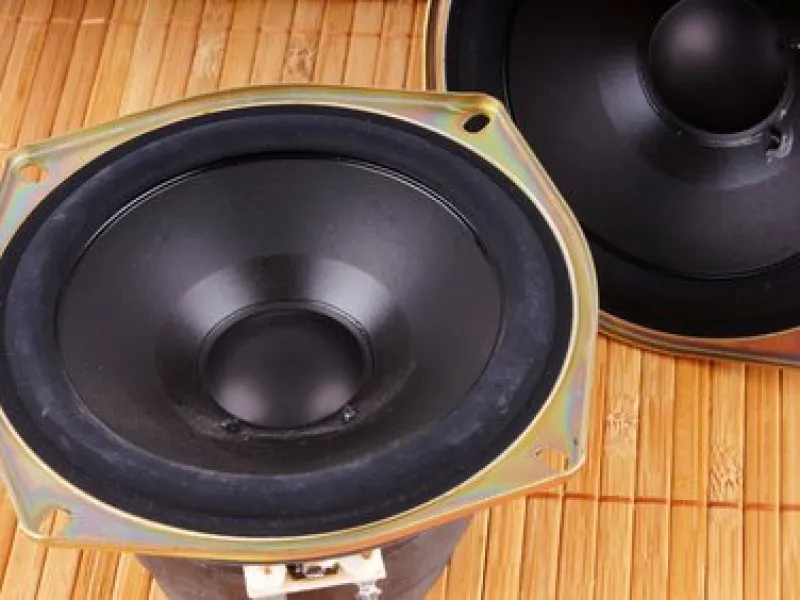 Which Household Appliances Contain Magnets?Magnets are hidden in countless household appliances. Here is an overview of where you will find them and what they do.
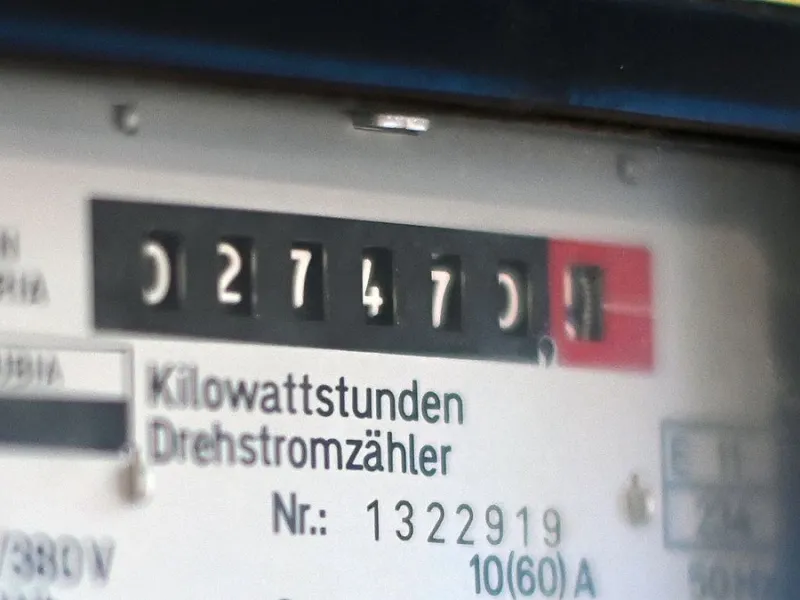 Tampering with an Electricity Meter Using a Magnet: Does It Really Work?Can a magnet really slow down or stop your electricity meter? We look at the myth, the risks and the legal consequences.
 Earth's Magnetic Field and the Compass ExplainedFrom the geodynamo in Earth's core to magnetic declination: how the field works, how animals use it and how to build your own compass.
 Electromagnets: Magnetic Force at the Flip of a SwitchCurrent on, magnet on: learn how coil and iron core work together, where electromagnets hide in everyday life, and how to build one yourself.