
4 min read
Magnet Motor
The magnet motor is said to produce electricity instead of consuming it. We look at how it is built and how it is claimed to work.
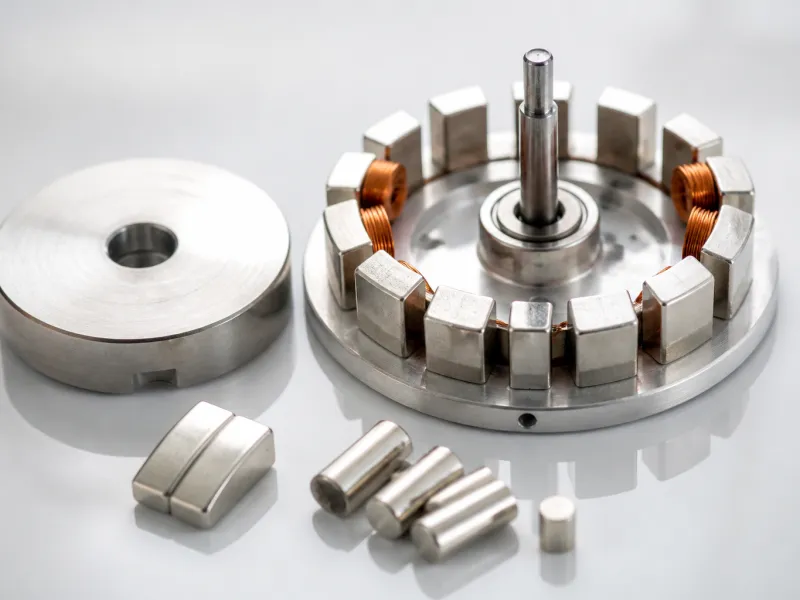
Many concepts have been presented in recent years with just one goal: to generate energy as cleanly and as cheaply as possible. No wonder, you might say, when you consider the conventional means used to generate energy in recent years and still today. Examples include coal power plants, nuclear energy and the well-known combustion engine, all machines with comparatively low efficiency that, above all, consume large quantities of non-renewable raw materials (such as crude oil).
The so-called magnet motor is quite different. This special electric motor is built similarly to a conventional electric motor, but has some peculiarities and innovations that make it unique and that could make it the future of energy generation. So let's dive into this fascinating topic and take a close look at how the magnet motor works and what makes it so special.
It is called either a magnet motor or a magnet generator. As already mentioned, the magnet motor's basic design resembles that of a conventional electric motor, but it uses not just one magnet but several. Depending on the motor type and output, they differ both in the number of magnets and in their arrangement. The difficulty lies in finding the right arrangement of the magnets on the stator. An enormous amount of testing has been done here over recent years and decades, and new solutions keep being presented.
01
Magnet motor vs. electric motor: the most important difference

Enough of the small talk! Let's get to the really important differences between a conventional electric motor and a magnet motor. While a conventional electric motor consumes electricity to produce mechanical energy or work, a magnet motor does not consume electricity, it generates it! Only a certain amount of initial energy is needed to start the magnet motor. Once running, it operates completely self-sufficiently and produces electricity sustainably. A dream, isn't it? It brings to mind the much-vaunted perpetual motion machine, a machine that runs practically forever without any external energy input while producing energy itself.
The problem: according to school physics, the magnet motor cannot exist at all! After all, it is a machine that, viewed as a whole, puts out more energy than is put into it. Here is a question for you: do you know the often-cited example of the bumblebee that cannot fly? No? In short: physicists calculated that, because of the ratio of wing area to weight, a bumblebee basically cannot fly. The bumblebee, however, has no idea and simply does it: it flies! That is exactly what the inventors of the magnet motor claim.
Let's get back to school physics: more than 100 years ago, a clever inventor named Nikola Tesla, in his countless experiments on the subject of "free energy", disproved various assumptions of physics that until then had been considered "set in stone".
To understand how the magnet motor works, let's take a very close look at the principle once more. Maybe we can manage to outwit the assumptions of school physics. As mentioned, the magnet motor is started once by hand and is then supposed to keep running practically forever without any external energy input, thanks to the special arrangement and number of magnets inside, which are meant to keep the coil and the armature within it constantly in motion. Anyone who doubts that there is a magnetic force constantly causing poles to attract and repel each other would have to question our entire planet Earth. After all, the Earth, with its likewise magnetic poles, has been rotating for millions of years and thus works on the same principle. According to physics, planet Earth should not be rotating at all, since no energy is supplied to it from outside either.
But let's look at the whole thing in a more nuanced way and on a smaller scale. In recent years, science has discovered that below the level of atoms there are various other tiny particles that in turn produce and emit energy. These elementary particles are also called neutrinos, and they were detected, among other places, in experiments at the renowned particle accelerator CERN in Switzerland. There it was also supposedly shown that these elementary particles move faster than light, another assumption that school physics had always rejected until then.
Neutrinos are able to penetrate everything and thus keep everything in motion. Scientists who study the magnet motor in more depth hold these neutrinos responsible for making the magnet motor work. The neutrinos it contains are converted into magnetic force, which the magnet motor then releases in the form of electricity.
The advantages of the magnet motor are obvious: it produces energy independently without any energy having to be supplied. It produces no harmful radiation, no exhaust gases and no other pollutants. The magnet motor would therefore be the ultimate solution to all the world's energy problems. Why no one has produced it yet is anyone's guess. Experts repeatedly cite the influential energy and oil lobby as the reason.
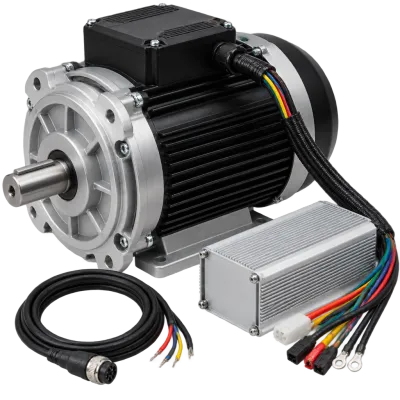 Matching productElectric motor kitAmazon →
Explore
Read next
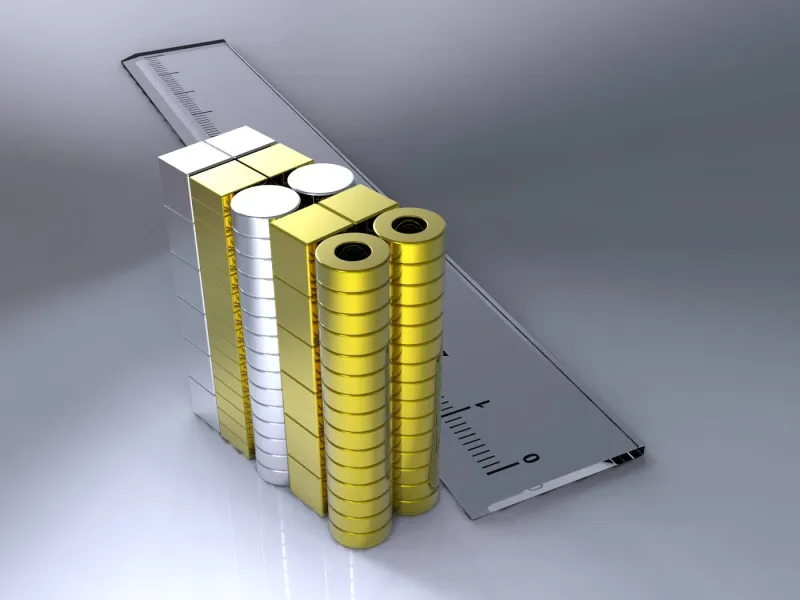 Types of MagnetsFrom bar magnets to neodymium super magnets: an overview of the most important types of magnets and their uses.
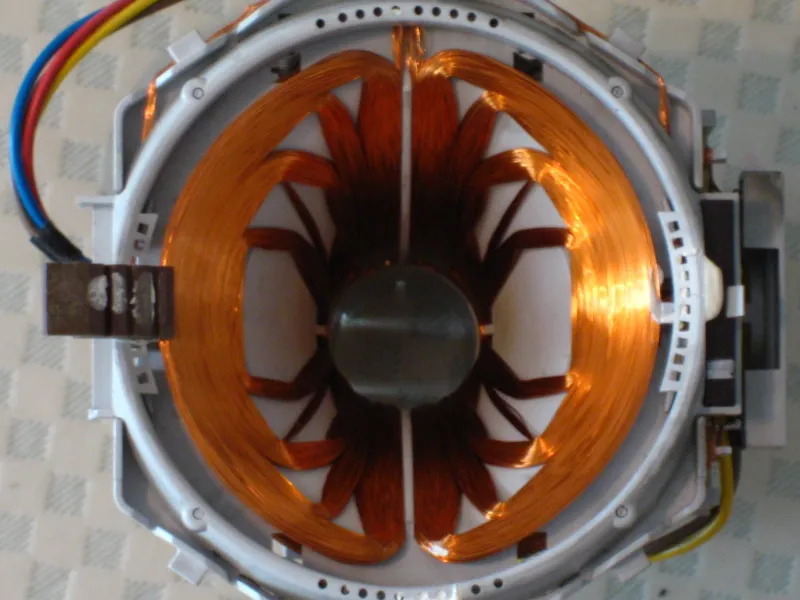 Uses of MagnetsMagnets are used far beyond speakers and fridges: learn about their role in data storage, deflection magnets and relays.
 Magnetism: What Is It?What is magnetism, how does it arise physically and what can you do with it? We take a closer look at this fascinating phenomenon.