
3 min read
Uses of Magnets
Magnets are used far beyond speakers and fridges: learn about their role in data storage, deflection magnets and relays.
01
Different Ways to Use Magnets
As we have already learned, magnets are used in an extremely wide range of ways, both in our private lives and in science, industry and the trades. The first uses and applications that come to mind are the ones already mentioned, such as in speakers, headphones, clocks, on the fridge and so on. But the use of magnets goes much, much further. You will be amazed when you learn in the following sections where magnets can be used and what effects they achieve. So let's get started.
02
Magnets as Data Storage
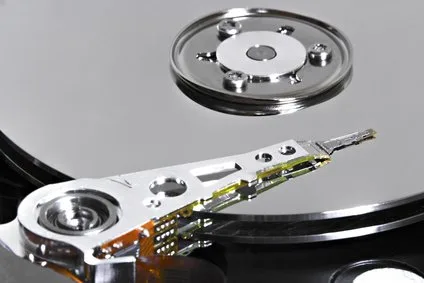
Even in the early days of computer technology, data storage media that work with magnetic technology were used. And even before that, magnets were already used for data storage: just think of the good old audio cassette, which also uses magnetic tape as its storage medium. Later, so-called floppy disks came onto the market. Basically, they work no differently than a cassette, except that a magnetic disk is used for storage instead of magnetic tape. At almost the same time, various IT companies developed the first generation of hard drives, also a storage medium based on magnetic technology, which rotates while a read/write head moves across it. In the following years, storage technology continued to evolve. Along the way, electromagnetism also found its way into the development of storage technology, and from then on magnetoelectronic storage was state of the art. It forms the basis for digital storage media as we know them today, for example USB flash drives or flash memory.
 Matching productSelf-adhesive magnetic tapeAmazon →
03
Magnetic Data Carriers
You might think that magnetic data carriers would have no problem when other, stronger magnets come near them. But that is not the case. As a general rule: if a magnetically recording data carrier such as a hard drive, a USB flash drive or the magnetic stripe of a credit card comes near a strong magnet, all the data on it can be lost. In this case, the magnetic field simply overwrites the data on the carrier. A startling example of this was provided, of all companies, by Deutsche Bahn AG. Here it was the magnetic holders of the folding tables in Interregio trains, which were set right into the table surfaces and thus came into direct contact with smartphones, tablets and other devices placed on them. The result: the data on travelers' devices was completely erased or overwritten thousands of times, so that later recovery was hardly possible. Deutsche Bahn then changed the mechanism of the tables.
 Matching productMagnetic car phone mountAmazon →
04
Deflection Magnets
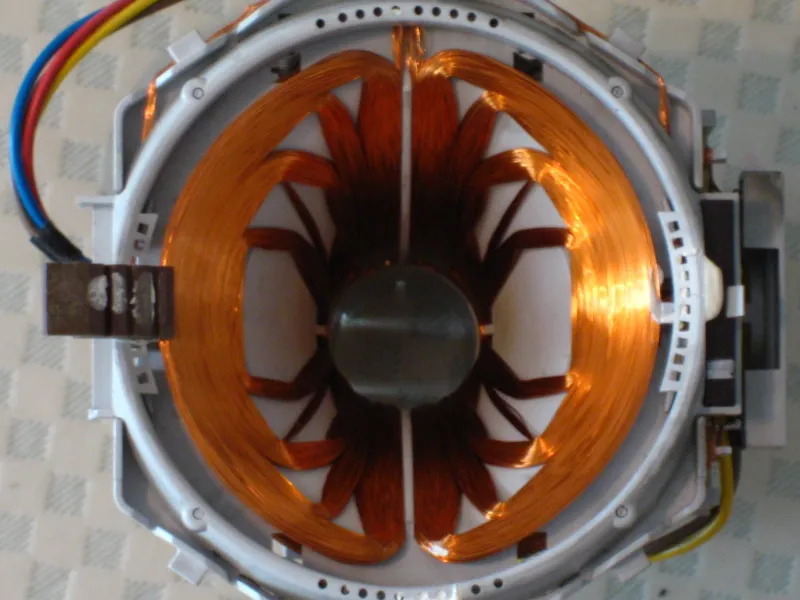
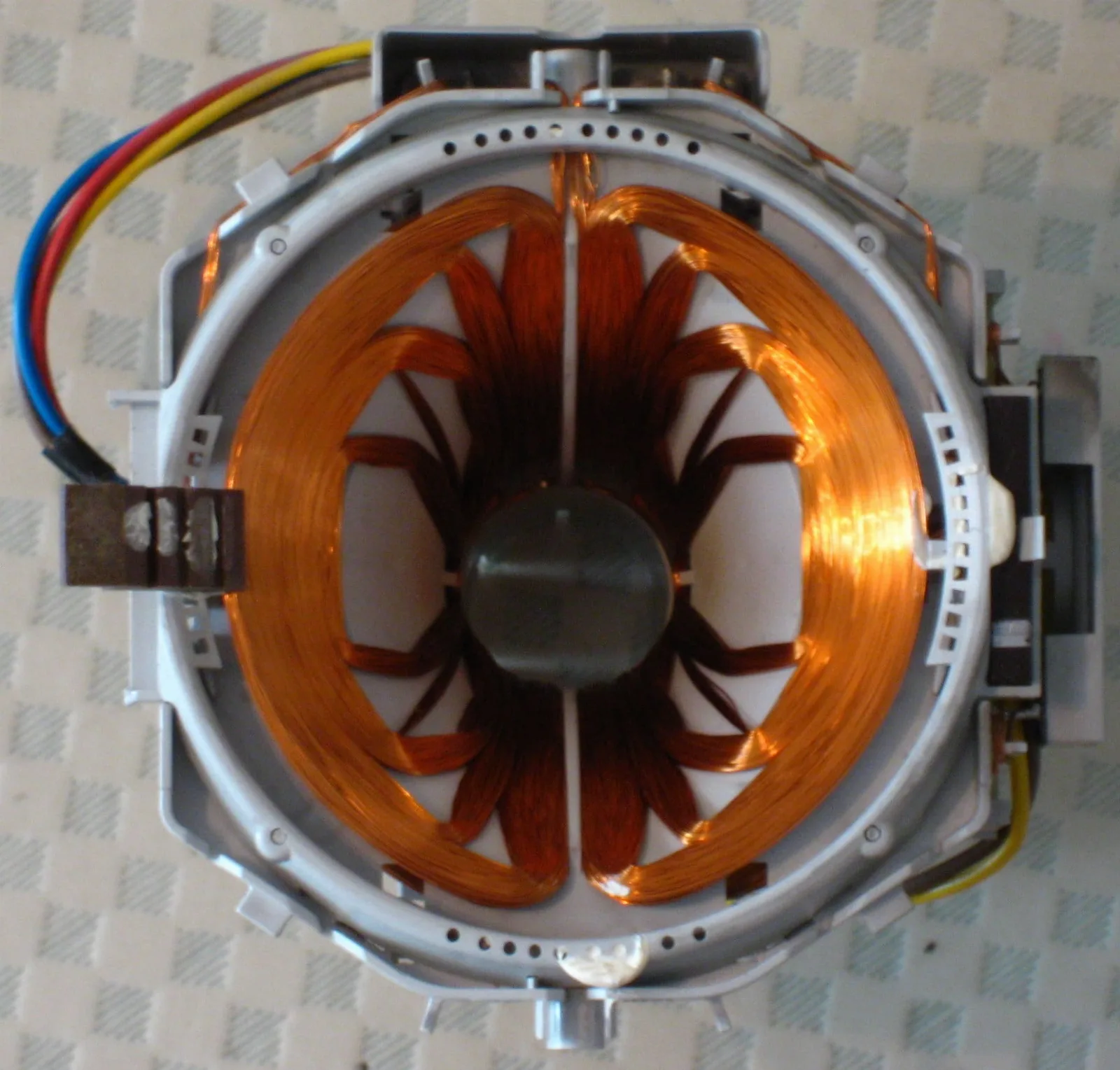
Magnets can be used not only to attract things but also to deflect them. For example, deflection magnets are used in many technical devices to steer a beam of charged particles in a different direction. In science, the force exerted by the magnet for this purpose is called the Lorentz force. It is a forced change in the direction of a moving electric charge in a magnetic field.
Where Are Deflection Magnets Used?
Anyone who thinks deflection magnets are used only in the military is quite mistaken. These special magnets are used, for example, in cathode ray tubes (oscilloscopes, CRT monitors), electron microscopes (magnetic lenses in TEM and SEM) and electron beam welding systems.
05
Relays (Electromagnetism)
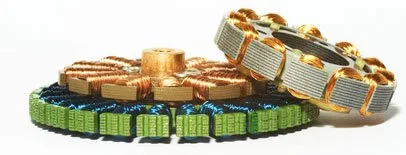
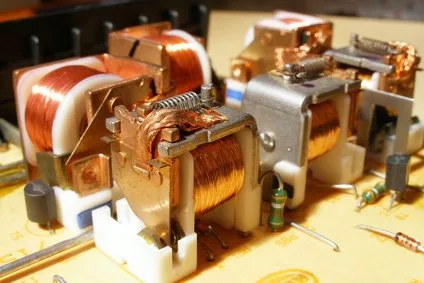
In electrical engineering, magnets, or more precisely electromagnets, are used in countless places. Relays are a good example. These are electromagnetic switches that are installed in a circuit, for instance. The principle is very simple: a weak current is applied to the switch, which builds up a (small) magnetic field that closes the switch. When the current is switched off again, the magnetic field also disappears and the switch opens again. It's that simple! For this to work, the relay consists of an iron core, a coil around it and a movable armature. There are also so-called contact springs that hold the electrical contacts. With these components, the relay can be opened and closed by switching the current on and off.
06
Conclusion: The World of Magnets Is Enormously Diverse!
Computers, medicine, electrical engineering... these were just three of the countless purposes for which magnets are used today. If you think about it a little more, you will surely come up with many more possible uses. The fascinating thing is that magnetism was discovered many thousands of years ago. It is a force of nature that has not changed at all to this day. So it all comes down to how we humans make use of this force.
Explore
Read next
 Types of MagnetsFrom bar magnets to neodymium super magnets: an overview of the most important types of magnets and their uses.
 Magnetism: What Is It?What is magnetism, how does it arise physically and what can you do with it? We take a closer look at this fascinating phenomenon.
 Magnet GlossaryKey terms relating to magnets and magnetism, clearly explained.