
4 min read
Which Household Appliances Contain Magnets?
Magnets are hidden in countless household appliances. Here is an overview of where you will find them and what they do.
02
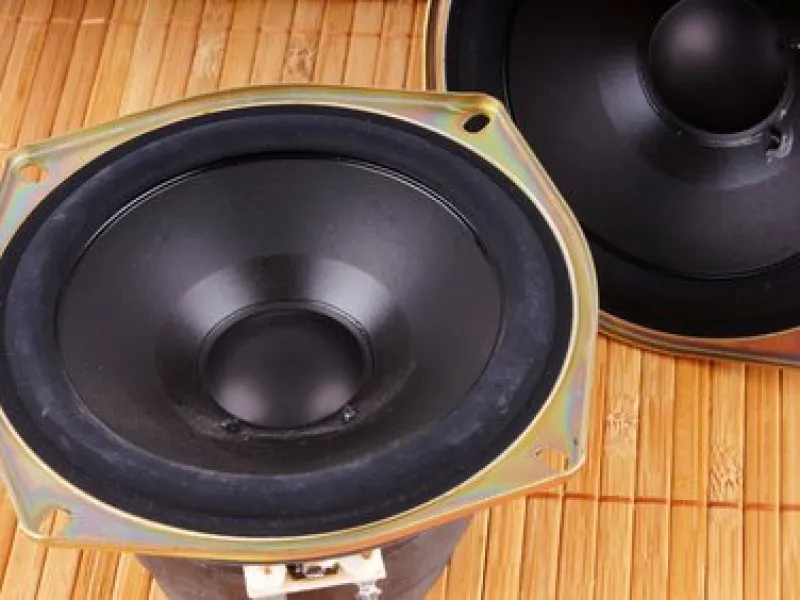
Speakers
The basic principle: a speaker works by converting electrical energy into kinetic energy so that sound waves can be emitted. To make this conversion possible, the speaker has at least one magnet, which sits in a diaphragm and is attracted or repelled by the electrical signals. This makes the diaphragm vibrate, producing sound. So wherever there are speakers in our surroundings and our homes, there are magnets too. This applies to the usual speakers in stereo systems, but also to TVs, radios, headphones, telephones and more.
03
Refrigerators, Freezers and More
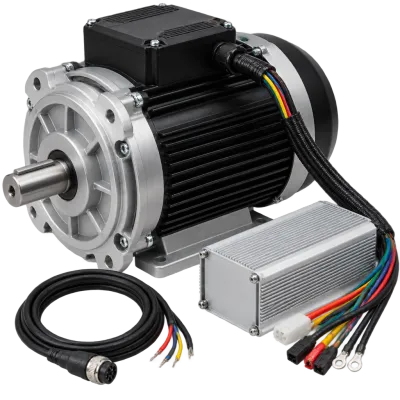
For cooling appliances such as refrigerators and freezers to work, a special coolant has to circulate inside them. This coolant flows in a circuit controlled by various valves and thermostats. This is exactly where magnets are used as switching elements. In addition, every refrigerator has an electric motor as its drive, which also works with a built-in electromagnet. Incidentally, most refrigerator and freezer failures are caused by a small magnetic switch that no longer opens and/or closes. So it is a part costing just a few cents that leads to entire appliances being thrown away. Very few repair technicians still fix such small components today.
 Matching productElectric motor kitAmazon →
04
Kitchen Appliances
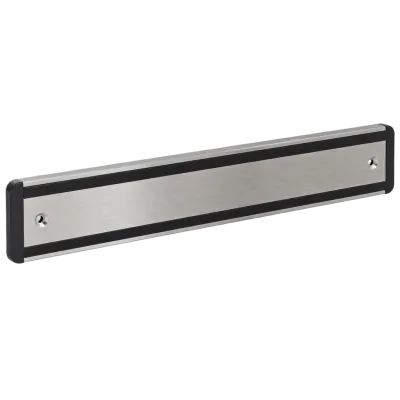
Whether microwave, food processor, blender, coffee maker or stove, all these appliances also work with electric motors or with the help of electrical energy and therefore contain magnets. Just as in a refrigerator or freezer, they serve on the one hand as a basic element of the drive motor; on the other hand, magnets are also used in switches and relays to control the corresponding circuits.
 Matching productMagnetic knife stripAmazon →
05
Doorbells and Door Openers
Today the doorbell also almost always works with an electric motor and therefore contains a magnet. Often an additional magnet is used in the built-in speaker that produces the signal when the bell is pressed. The same applies to the door opener. This is an electromagnetic switch that is larger compared with the circuit. When the door opener is activated, the switch interrupts the magnetic force, allowing the door to be opened. When the switch is not activated, the door is held closed.
06
Washing Machines, Dryers and More
In washing machines and dryers, the central element is the electric motor. It makes the drum turn so that the appliance works properly. In addition, dryers and washing machines also contain a heating element, which is also electrically operated and usually contains one or more magnets for control. Smaller magnets are also used in the electronic control units and in the mechanism for closing and opening the door of washing machines and dryers. These are relays or magnetic switches that ensure the desired function.
07
Children's Toys
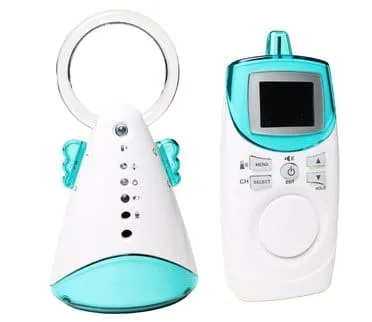
Many people would not believe it, but even children's toys often have built-in magnets. This starts with toys for the very youngest. Wind-up mobiles, musical toys and the like almost always have a speaker and therefore built-in magnets too. Later come all kinds of electronic games, including those with a built-in electric motor, which also means magnets are installed. Not to forget: the well-known baby monitor, a device for keeping an eye on our baby when we are not nearby. It contains both a microphone and a speaker, so we find at least two magnets inside.
08
Heating Systems
Whether gas, oil or electric heating, magnets are used for a variety of functions in almost every type of heating system. They are found in particularly large numbers in electric heaters. This may also be why some experts prefer a conventional oil or gas heating system to electric heating. Even systems such as heat pumps for using geothermal energy need magnets to switch the corresponding control circuits.
09
Telephones
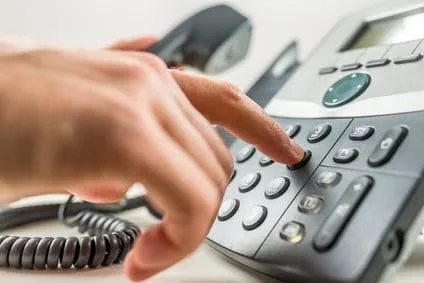
A telephone, whether landline or mobile, contains a whole range of magnets of different sizes. Here's why: a telephone has both a built-in speaker and a microphone, and the device also contains several control circuits, which are often equipped with magnets as well. If an answering machine is also built in, the number of magnets increases even further. So there is hardly any other device with as many magnets as a handy telephone. This also applies to our smartphones, which we would no longer want to be without in everyday life. Anyone worried about being exposed to a lot of magnetic radiation from their phone should choose a model labeled as "low radiation" when buying. These low-radiation phones are now available both as conventional cordless home phones and as mobile phones.
10
Conclusion: No Household Today Can Do Without a Large Number of Magnets!
We don't usually get to see them, but magnets accompany us everywhere in everyday life. We find them all over household and electrical appliances, for example in the washing machine, the TV or the ceiling light. Should we be worried about this? Most experts say no. After all, on Earth we are already surrounded by a huge magnetic field, so why should the small magnets in our homes have any harmful effect on our health? In addition, more and more devices are being switched to digital technology, so the use of magnets in household appliances will decline in the long term.
Explore
Read next
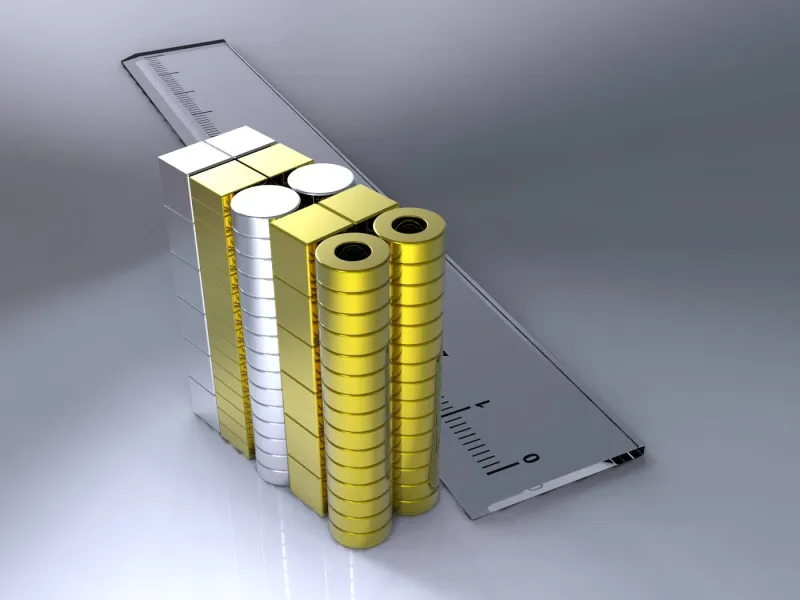 Types of MagnetsFrom bar magnets to neodymium super magnets: an overview of the most important types of magnets and their uses.
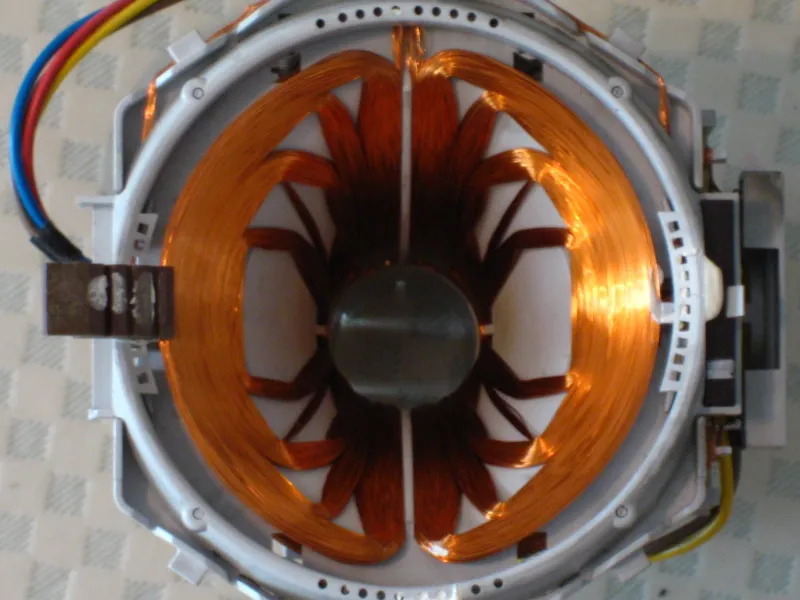 Uses of MagnetsMagnets are used far beyond speakers and fridges: learn about their role in data storage, deflection magnets and relays.
 Magnetism: What Is It?What is magnetism, how does it arise physically and what can you do with it? We take a closer look at this fascinating phenomenon.