
5 min read
Magnet Safety: What You Need to Know
Strong magnets are handy, but not harmless. Learn what to watch for with kids, implants, electronics, storage and shipping.
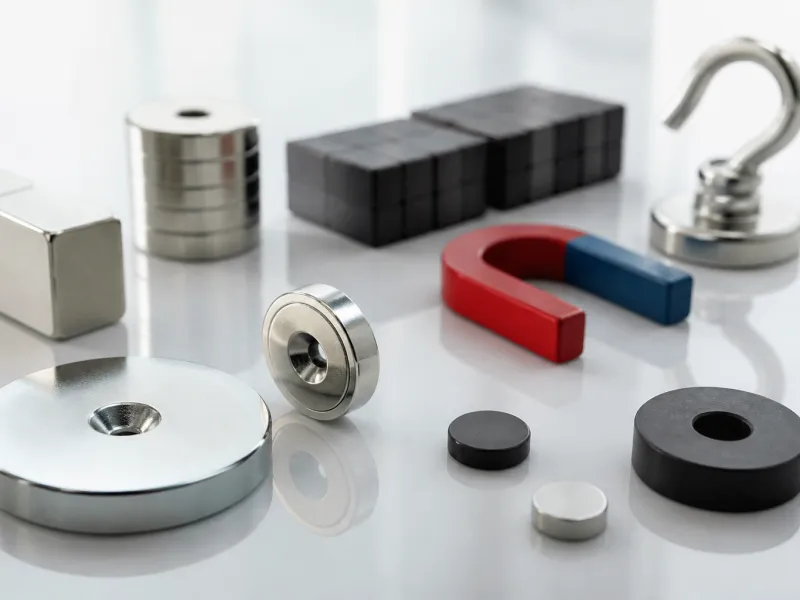
Magnets are fascinating, handy and usually completely harmless. A small ferrite fridge magnet is not going to hurt anyone. Modern neodymium magnets are a different story: they are many times stronger, small, shiny and often irresistible to kids. That combination is exactly why they deserve a closer look.
In this guide you will learn where the real risks are: swallowing, pacemakers and implants, electronics and cards, pinched fingers and shattering magnets. You will also get practical tips for storage and shipping. The advice here is general and does not replace medical guidance. When in doubt, ask your doctor or the manufacturer of your device.
01
Kids and swallowed magnets: a true emergency
The biggest risk involves young children. If a child swallows a single small magnet, things often turn out fine. The danger begins when a child swallows more than one magnet, or a magnet together with a piece of metal. Inside the intestines the parts attract each other right through the bowel walls. The tissue caught in between gets squeezed, loses its blood supply and can die. The result can be holes in the intestine, twisting or blockages that require surgery.
That is why pediatricians are clear: a swallowed magnet is an emergency. Children under three should not play with magnets at all, and older kids need supervision too. The tricky part is that early signs can look harmless, such as a stomachache or vomiting that is easily mistaken for a stomach bug.
- Suspect swallowing? Go to a children's hospital or emergency room right away. Do not wait and see.
- Bring information: If you can, bring an identical magnet or the packaging so the medical team can judge size and number.
- Prevent it: Keep magnetic balls, magnet sets and small loose magnets out of reach and count them regularly.
- Check toys: Make sure magnets in toys are securely built in and cannot come loose.
In the United States, a CPSC safety standard has applied since October 2022 to certain magnet products such as magnetic ball sets and magnetic jewelry. Loose magnets small enough to swallow must stay below a defined strength value. Other countries have their own rules, so check the regulations where you live.
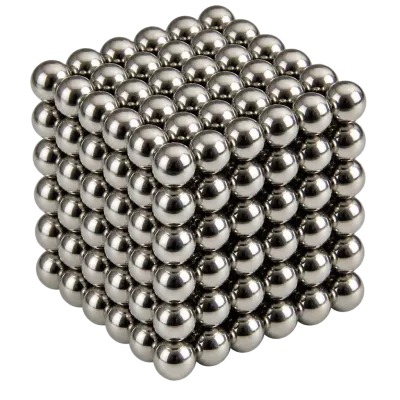 Matching productMagnetic ballsAmazon →

02
Pacemakers and implants
Many pacemakers and implanted defibrillators contain a built in magnetic switch. Doctors use it on purpose to put the device into a special operating mode. A strong magnet in a shirt pocket can trigger that switch by accident. According to manufacturer information, newer devices may switch modes at around 1 millitesla, and some older ones at just 0.5 millitesla.
The distance you need depends heavily on the size of the magnet. With a large neodymium disc it can be more than 8 inches, with a tiny magnet only an inch or so. If you have an implant:
- Never carry strong magnets in a chest or shirt pocket.
- Follow the information on your implant ID card and in the device manual.
- Talk to your doctor before hobbies involving big magnets, such as magnet fishing.
Other implants like insulin pumps or hearing implants may be sensitive as well. The same rule applies: ask the manufacturer or your care team first.
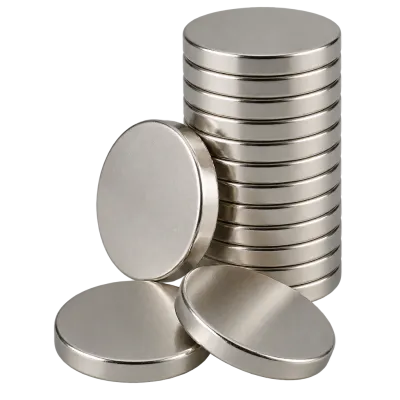 Matching productNeodymium disc magnets setAmazon →
03
Electronics, cards and watches
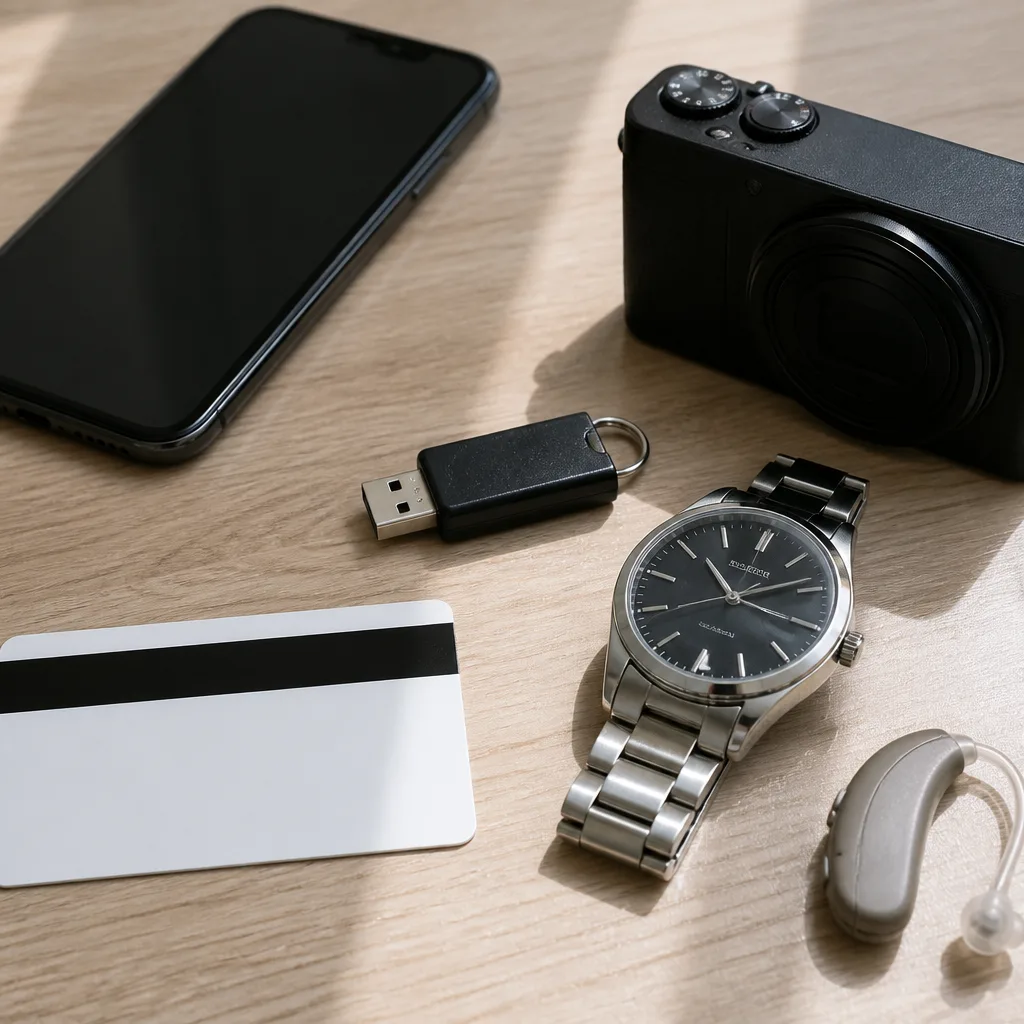
Good news first: smartphones, digital cameras and USB sticks do not store data magnetically, so their memory is safe. More vulnerable are magnetic stripes, mechanical watches and hearing aids. The table below shows roughly where trouble starts, based on manufacturer data.
| Item | Critical field strength (approx.) | Note |
|---|---|---|
| Pacemakers, newer models | 1 mT | may enter special mode |
| Pacemakers, older models | 0.5 mT | needs more distance |
| High quality magnetic stripe cards | 40 mT | chip is very robust |
| Cheap magnetic cards (parking tickets, event passes) | 3 mT | even small magnets can erase them |
| Hearing aids | 20 mT | function can be disrupted |
| Mechanical watches without magnetic shielding | 0.05 mT | may run inaccurately afterward |
Classic spinning hard drives rarely lose data to household magnets, but their internal mechanics can be affected. About 8 inches of distance is considered safe even for very strong magnets. Compasses, old tube screens and speakers also react to strong fields.
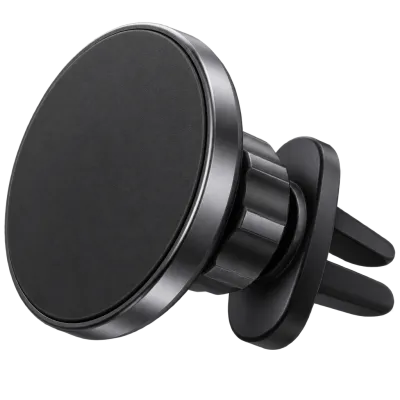 Matching productMagnetic car phone mountAmazon →
04
Pinch hazard: when magnets snap together
Large neodymium magnets can hold many pounds. When two of them, or a magnet and a steel surface, suddenly come together, it happens in a flash. If a finger is in the way, you risk bruises, crush injuries and in the worst case broken bones.
- Wear thick work gloves when handling large magnets.
- Handle magnets one at a time and never toss several loose ones into a bag.
- Separate them by sliding them apart sideways instead of prying.
- Keep a safe distance from steel tables, tools and other magnets.
05
Splinters and heat
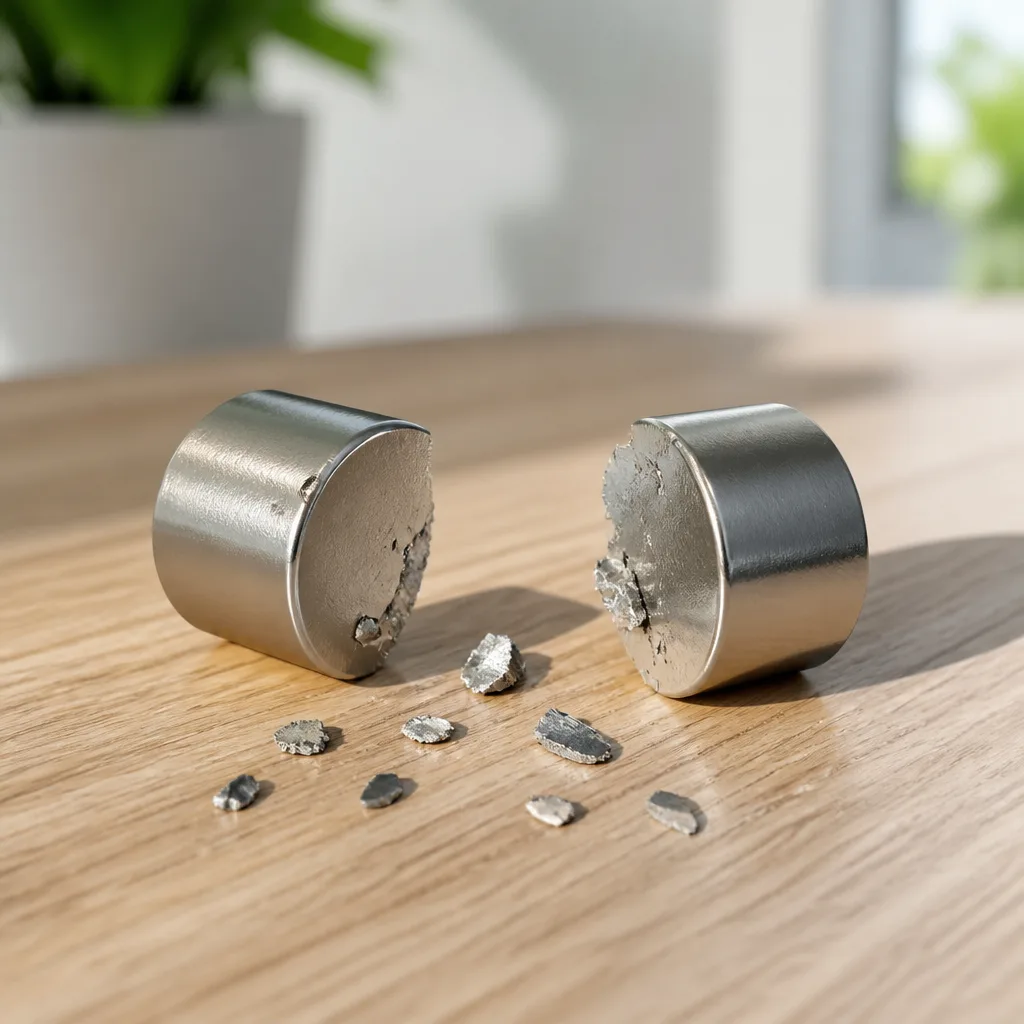
Neodymium magnets are strong but brittle. If two collide, they can chip or break. According to manufacturers, the sharp fragments can fly several feet or more across a room. Safety glasses are a smart choice when working with large magnets, for you and for anyone watching.
Avoid drilling, grinding or sawing neodymium magnets. The dust is highly flammable, and heat weakens the magnet. Depending on the grade, the maximum operating temperature ranges from about 150 to 390 degrees Fahrenheit, and especially strong or very thin magnets are sensitive at lower temperatures. Many magnets are also nickel plated. If you are allergic to nickel, avoid prolonged skin contact or choose coated versions.
06
Storing and shipping magnets safely
If you own several strong magnets, store them so they cannot snap together on their own. Plastic or cardboard spacers, a sturdy box and a dry spot work well. That way the coating and edges stay intact.
- Stack magnets with spacers or embed them in foam.
- Label the box clearly and keep it out of reach of children.
- Keep it away from cards, watches and electronics.
For shipping by road or regular mail, magnets are usually placed in the center of the package, padded well and, for strong ones, shielded with steel sheet. Air freight has stricter requirements, because strong fields could interfere with aircraft navigation instruments. IATA rules say that shipments above a certain field strength at a set distance must be labeled as magnetized material, and very strong shipments may not fly at all. Check with your carrier before you send anything.
07
Frequently asked questions
Is a single swallowed magnet harmless?
Not automatically. One magnet can connect with a second one or with metal objects in the body. Have any suspected case checked by a doctor immediately.
Can a magnet damage my smartphone?
The memory is not at risk. Strong magnets can temporarily confuse the built in compass or affect mechanical parts like the camera's image stabilizer, so keep big magnets away.
How far should I stay from a magnet if I have a pacemaker?
That depends on the magnet's size and your device. Small magnets often need just a couple of inches, large ones can need more than 8 inches. Your doctor's and the manufacturer's guidance is what counts.
Are ferrite magnets as dangerous as neodymium magnets?
Ferrite magnets are much weaker, so the pinch and splinter risk is lower. They can still be swallowed, though, so small magnets of any kind do not belong in children's hands.
Sources:
Explore
Read next
 Types of MagnetsFrom bar magnets to neodymium super magnets: an overview of the most important types of magnets and their uses.
 Uses of MagnetsMagnets are used far beyond speakers and fridges: learn about their role in data storage, deflection magnets and relays.
 Magnetism: What Is It?What is magnetism, how does it arise physically and what can you do with it? We take a closer look at this fascinating phenomenon.